• Project
    • Overview
    • Research >
      • Work Packages
      • Individual Research Projects
    • Governance
  • Network
    • Beneficiaries
    • Partner Organisations
  • People
    • Supervisors >
      • Theodora Calogeropoulou
      • Rebecca Wade
      • Stefano Mangani
      • Christophe Rochais
      • Vasileios Roussis
      • Vasileia Ismini Alexaki
      • Achilleas Gravanis
      • Ka Wan Li
      • Dame Pamela Shaw
    • Early Stage Researchers >
      • ESR1: Daniele Narducci
      • ESR2: Alessia Latorrata
      • ESR3: Athanasios-Alexandros Tsengenes
      • ESR4: Christina Athanasiou
      • ESR5: Federica Carucci
      • ESR6: Mirjana Antonijević
      • ESR7: Paolo Giaccio
      • ESR8: Canelif Yilmaz
      • ESR9: Ana Aragón
      • ESR10: Débora Pita
      • ESR11: Thanasis Rogdakis
      • ESR12: Desponia Charou
      • ESR13: Evangelia Thanou
      • ESR14: Marco Destro
    • Scientific Advisory Board
  • Training
    • Approach
    • Objectives >
      • Secondments
    • Events >
      • 1st Network Week
      • 2nd Network Week
      • 3rd Network Week
  • Publications
  • Outreach
    • Events
    • Public Engagement
    • Results
    • Conference
    • Newsletter >
      • January 2021
      • April 2021
      • December 2021
  • News
  • Job Openings
    • Vacancies
    • Submit your application
  • Contact
EURONEUROTROPHIN
  • Project
    • Overview
    • Research >
      • Work Packages
      • Individual Research Projects
    • Governance
  • Network
    • Beneficiaries
    • Partner Organisations
  • People
    • Supervisors >
      • Theodora Calogeropoulou
      • Rebecca Wade
      • Stefano Mangani
      • Christophe Rochais
      • Vasileios Roussis
      • Vasileia Ismini Alexaki
      • Achilleas Gravanis
      • Ka Wan Li
      • Dame Pamela Shaw
    • Early Stage Researchers >
      • ESR1: Daniele Narducci
      • ESR2: Alessia Latorrata
      • ESR3: Athanasios-Alexandros Tsengenes
      • ESR4: Christina Athanasiou
      • ESR5: Federica Carucci
      • ESR6: Mirjana Antonijević
      • ESR7: Paolo Giaccio
      • ESR8: Canelif Yilmaz
      • ESR9: Ana Aragón
      • ESR10: Débora Pita
      • ESR11: Thanasis Rogdakis
      • ESR12: Desponia Charou
      • ESR13: Evangelia Thanou
      • ESR14: Marco Destro
    • Scientific Advisory Board
  • Training
    • Approach
    • Objectives >
      • Secondments
    • Events >
      • 1st Network Week
      • 2nd Network Week
      • 3rd Network Week
  • Publications
  • Outreach
    • Events
    • Public Engagement
    • Results
    • Conference
    • Newsletter >
      • January 2021
      • April 2021
      • December 2021
  • News
  • Job Openings
    • Vacancies
    • Submit your application
  • Contact

Alessia Latorrata presents at the 18th Hellenic Symposium on Medicinal Chemistry

28/2/2021

0 Comments

 
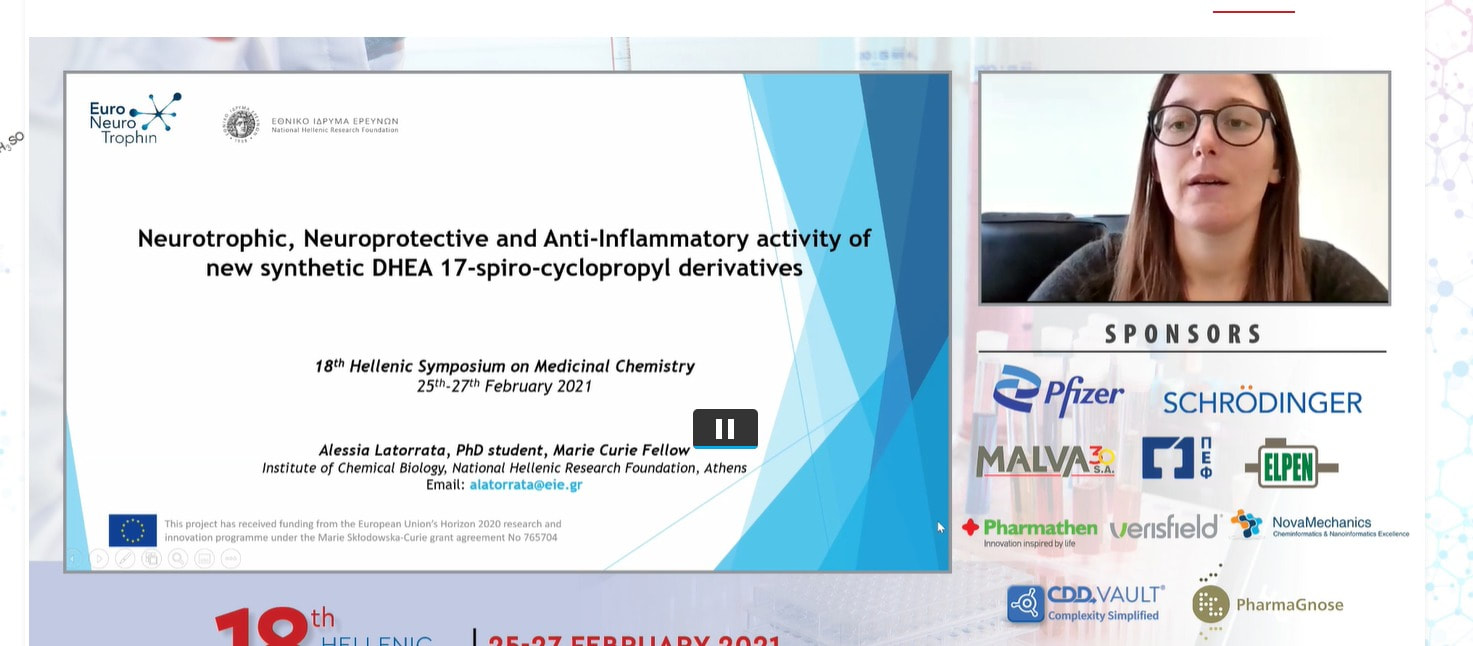
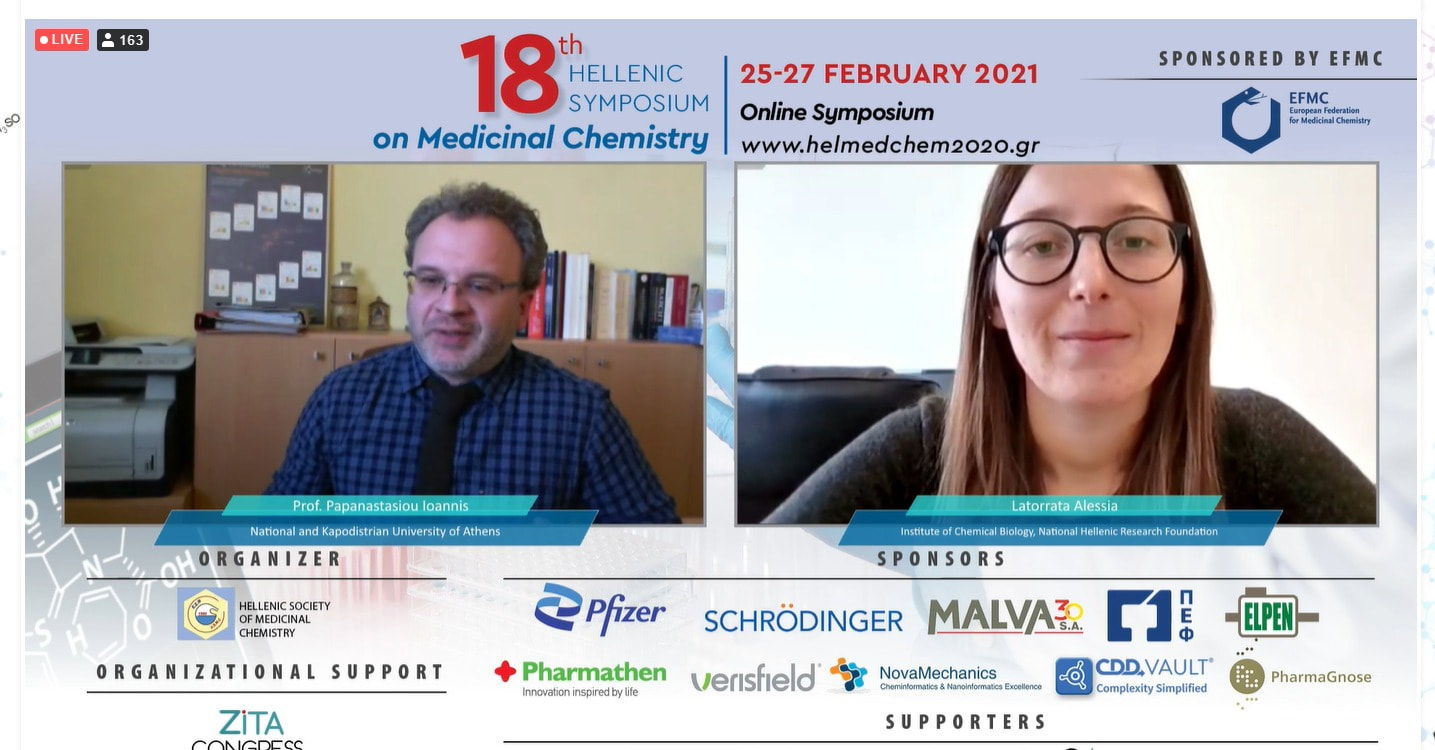
EuroNeurotrophin Early Stage Researcher (ESR), Alessia Latorrata, presented her research during the 18th Hellenic Symposium on Medicinal Chemistry held online 25-27 February 2021. Her presentation was titled “Neurotrophic, neuroprotective and anti-inflammatory activity of new synthet-ic Dhea 17-spiro-cyclopropyl derivatives”.

Other topics presented during the event included drug design and lead identification and optimization, protein-protein interactions and protein degradation, ADME/Tox properties, advances in Synthetic Medicinal Chemistry, Natural Products, Pharmacology as well as the impact of artificial intelligence in the integration of data- intensive practices to Drug Discovery.

Picture
Picture
0 Comments

First EuroNeurotrophin newsletter available online

13/1/2021

2 Comments

 
Picture

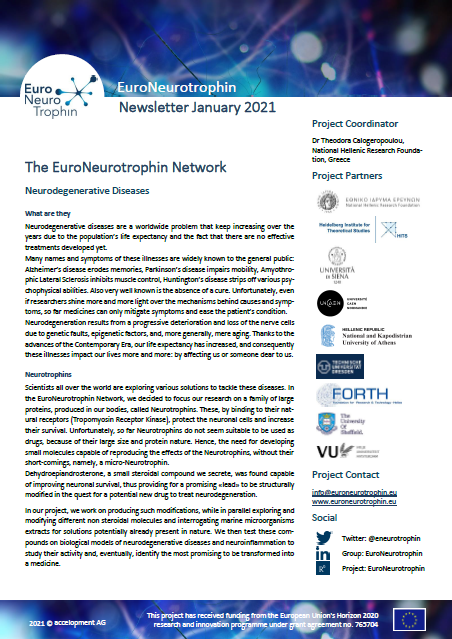
We are happy to present to you the first EuroNeurotrophin Newsletter on the latest updates and innovations related to the project, neurotrophins and neurodegenerative diseases (ND). The EuroNeurotrophin project – is a European training network for the discovery of neurotrophins small molecule mimetics as potential therapeutic agents for neurodegeneration and neuroinflammation and is currently training 14 early-stage researchers (ESRs) to develope new ND treatments.
The articles in the newsletter include:

  • The EuroNeurotrophin Network
    Neurodegenerative Diseases
  • The use of proteomics from in vitro to in vivo in neurotrophic research
    Proteomics is a key technique in drug discovery
  • Blood-Brain Barrier in vitro model to study neurodegeneration
  • Teaching at a EuroNeurotrophin School
    Organizing a training week and teaching your peers: an opportunity to grow


The full newsletter written by our ESRs is available online and as download on our website.

2 Comments

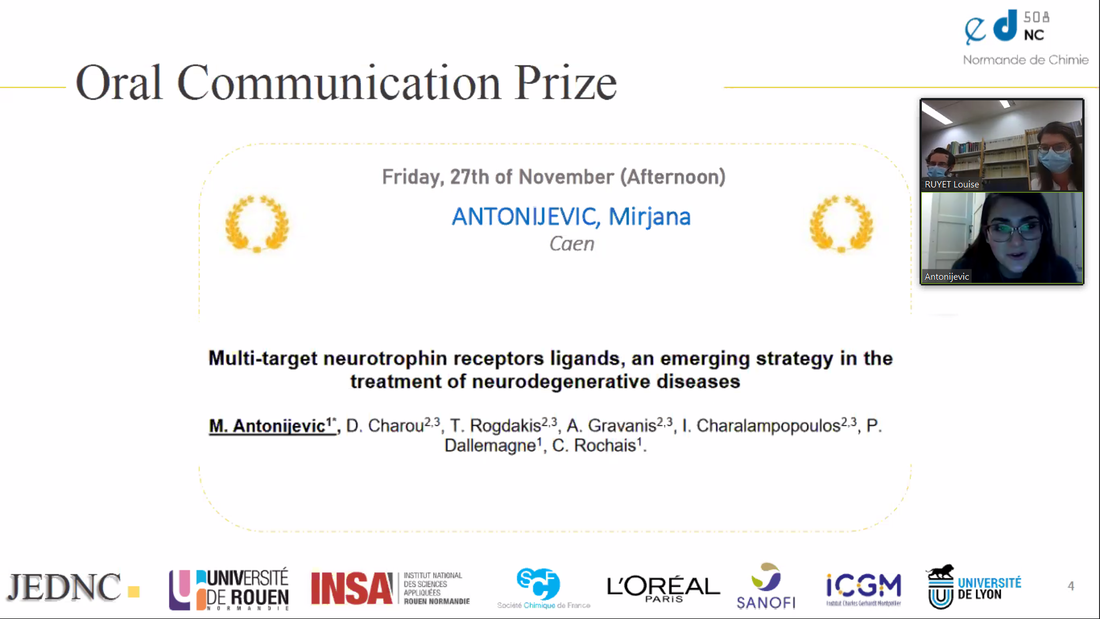
Congratulations to Mirjana Antonijević for winning best oral communication prize at JEDNC2020

22/12/2020

6 Comments

 
At the Journées de l'Ecole Doctorale Normande de Chimie 2020, ESR6 Mirjana Antonijević won with her presentation the best oral communication prize. The meeting was held online on the 27/28. November 2020.
JEDNC is an annual meeting organized by PhD students and for PhD students of the Normandy University which includes three universities: the University of Rouen, the University of Le Havre and the University of Caen. This congress enables PhD students to share their research work, in different fields and with professionals from academia and industry.
Mirjana Antonijević won with her presentation about "Multi-target neurotrophin receptors ligands, an emerging strategy in the treatment of neurodegenerative diseases".
Picture
6 Comments

University of Sheffield awarded the Queen's Anniversary Prize 2020

24/4/2020

10 Comments


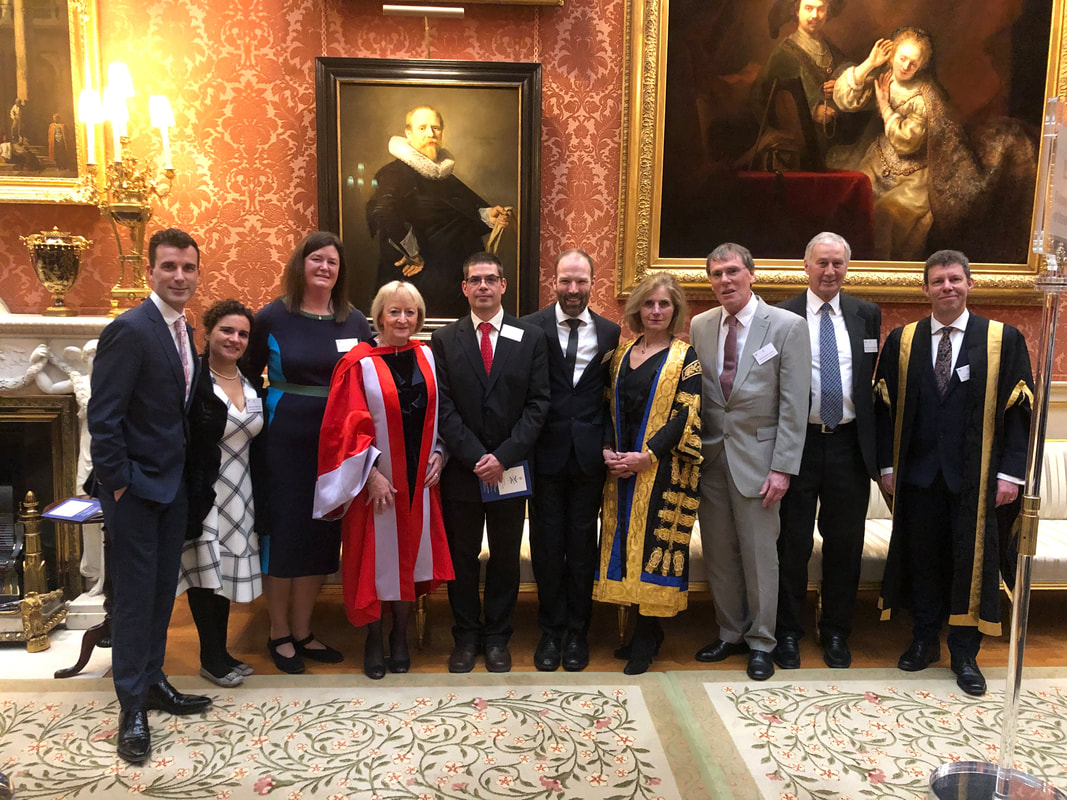
Award-winning Sheffield neuroscientists honoured at Buckingham Palace reception

  • The University of Sheffield has been presented with a Queen's Anniversary Prize Medal at a Buckingham Palace reception
  • The prize is the highest national honour recognising outstanding work by UK universities and colleges demonstrating quality and innovation in their areas of research
  • Sheffield has been recognised for innovative approaches to improving patient outcomes for people living with neurodegenerative diseases
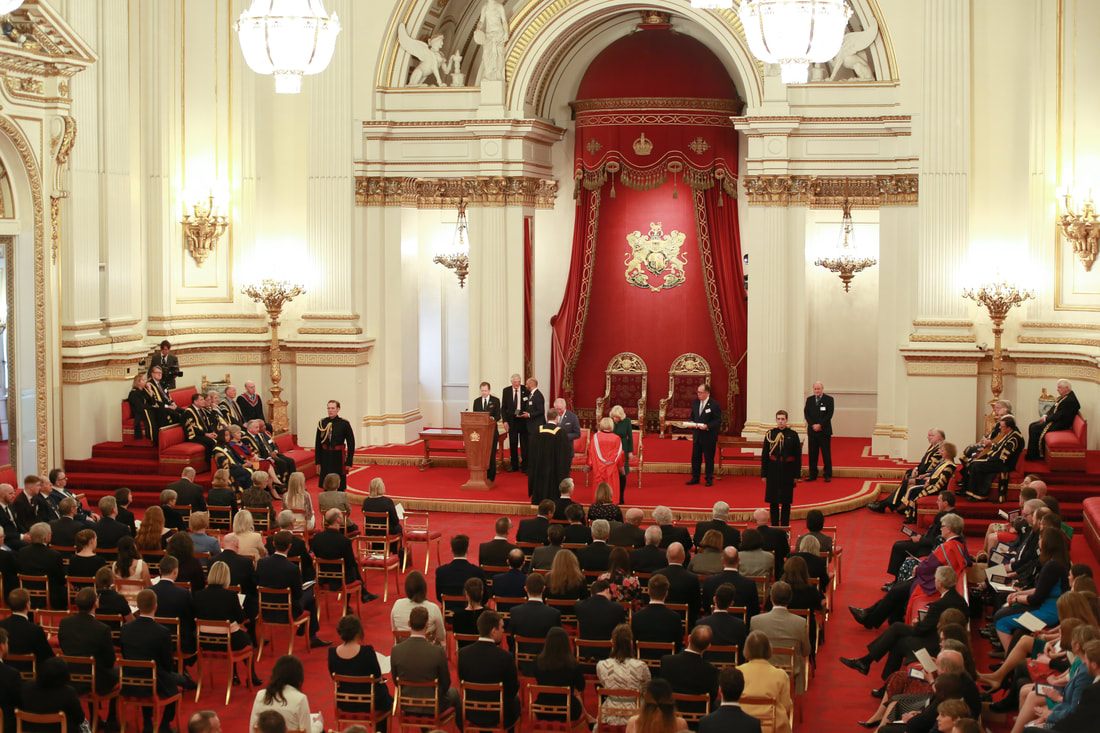
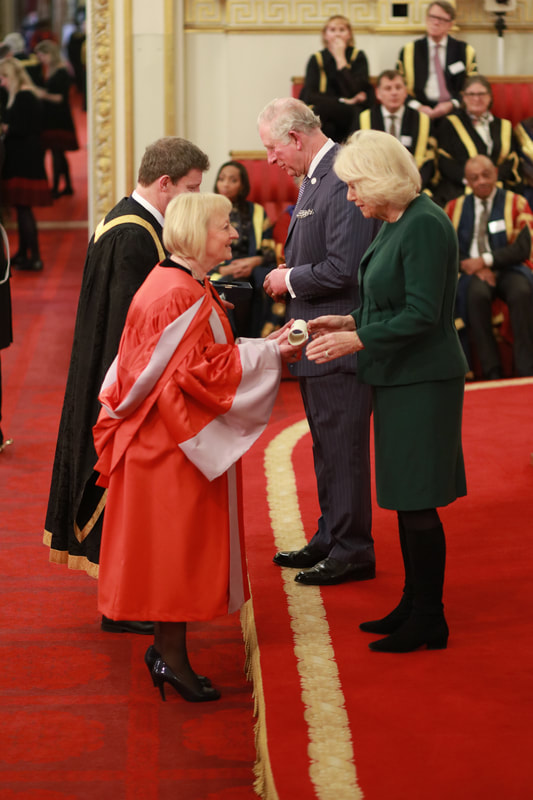
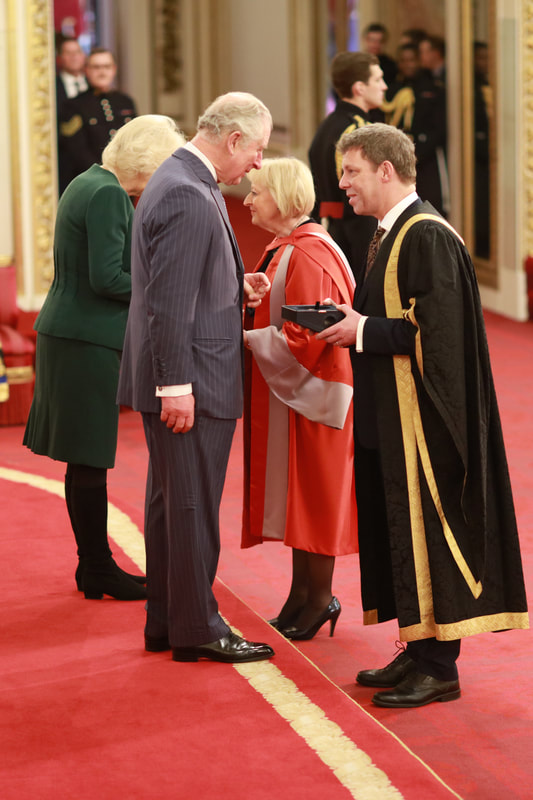
Neuroscience research at the University of Sheffield has been recognised for the real benefits it is delivering to the public in a ceremony at Buckingham Palace (Thursday 20 February 2020). The University was presented with the Queen’s Anniversary Prize (QAP) medal and scroll by TRH The Prince of Wales and The Duchess of Cornwall on behalf of Her Majesty The Queen.

The prize awarded to the University of Sheffield recognises the work that the Sheffield Institute for Translational Neuroscience (SITraN) at the University does to improve patient outcomes for people living with some of the most devastating neurodegenerative diseases.
Picture
Picture
Picture
Achievements highlighted by the award included:
  • A new orthotic device, ‘HeadUp’, developed for patients living with Motor Neurone Disease (MND) who suffer from muscle weakness in the neck.
  • Groundbreaking stem cell clinical trials for Multiple Sclerosis (MS) patients.
  • The discovery of a first biomarker linked to the development of Alzheimer’s Disease which has the potential for earlier diagnosis and has sparked the development of new therapies.
  • New drug discovery programmes to develop new treatments for Parkinson’s Disease
  • New gene therapy treatments for patients with Motor Neurone Disease

The prize is unique in the UK honours system, as it is only bestowed upon a UK college or university which demonstrates new and unique innovative approaches to its research.

Professor Dame Pamela Shaw, Director of SITraN and the NIHR Sheffield Biomedical Research Centre, said: “This prize recognises the University of Sheffield as a centre for excellence in neuroscience research and teaching, where our researchers are making lifechanging discoveries and progress in treating some of the most devastating neurological diseases, making a real difference to patients’ lives.

“As well as making life-changing discoveries today, we are also nurturing the next generation of talented neuroscience students, whose research will lead to pioneering treatments for those living with neurological diseases in the future. This includes the Euroneurotrophin PhD Studentship programme with colleagues from several European countries”

“We hope this award will help inspire confidence in patients and their families, research
partners and donors, as we continue to make discoveries that deepen the understanding of
neurological diseases and open up the potential for new treatments and therapies.”

SITraN’s vision is to harness the rapidly emerging, exciting developments in neuroscience to
translate into new treatments and improved quality of life for patients with neurodegenerative disorders such as Parkinson’s Disease, MND, Alzheimer’s Disease, MS and Dementia.

The centre - considered a world-leader in neuroscience research - will celebrate its 10th anniversary this year. Its work forms part of the University of Sheffield’s Neuroscience Institute, which aims to bring academics together from across medicine, science and engineering to translate scientific discoveries from the lab into pioneering new treatments.

Sir Damon Buffini, Chairman of the Royal Anniversary Trust, said: “It has been fantastic to celebrate the 13th Round of Prize-winners at Buckingham Palace alongside TRH Prince of Wales and the Duchess of Cornwall. The Royal Anniversary Trust showcased the exceptional, innovative and impactful work of our colleges and universities throughout the UK. We look forward to seeing how the work develops and progresses over the coming years!”
Picture
10 Comments

Mirjana (ESR6) wins Best Flash Poster Communication Award at SCT Young Research Fellows Meeting

11/2/2020

2 Comments

 
On 29.-31. January 2020 the 27th SCT Young Research Fellows Meeting took place in Caen, France based on the initiative of the French Medicinal Chemistry Society. The goal of the SCT (Société Chimie Thérapeutique) is to unify young European scientists of different levels to give them the opportunity to present and discuss latest innovations as well as future trends in a broad variety of topics connected to Medicinal Chemistry.

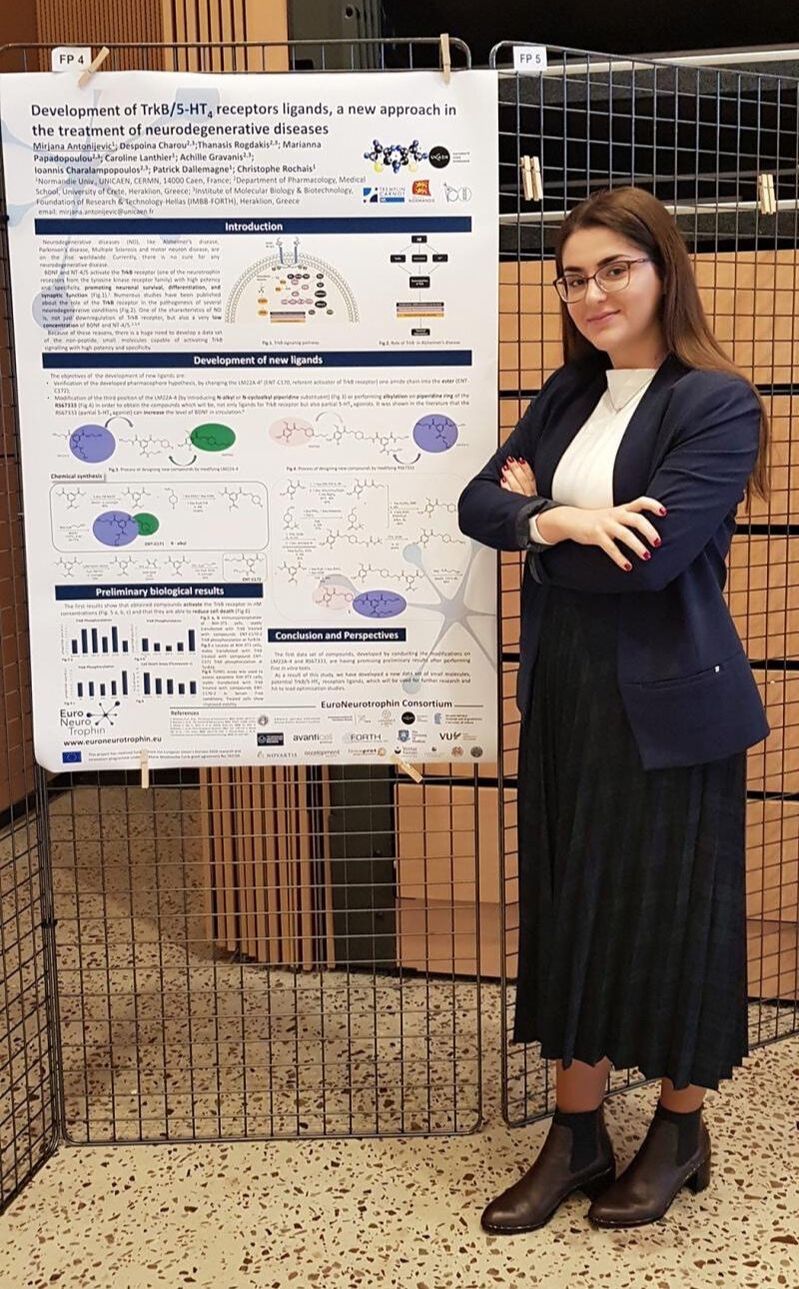
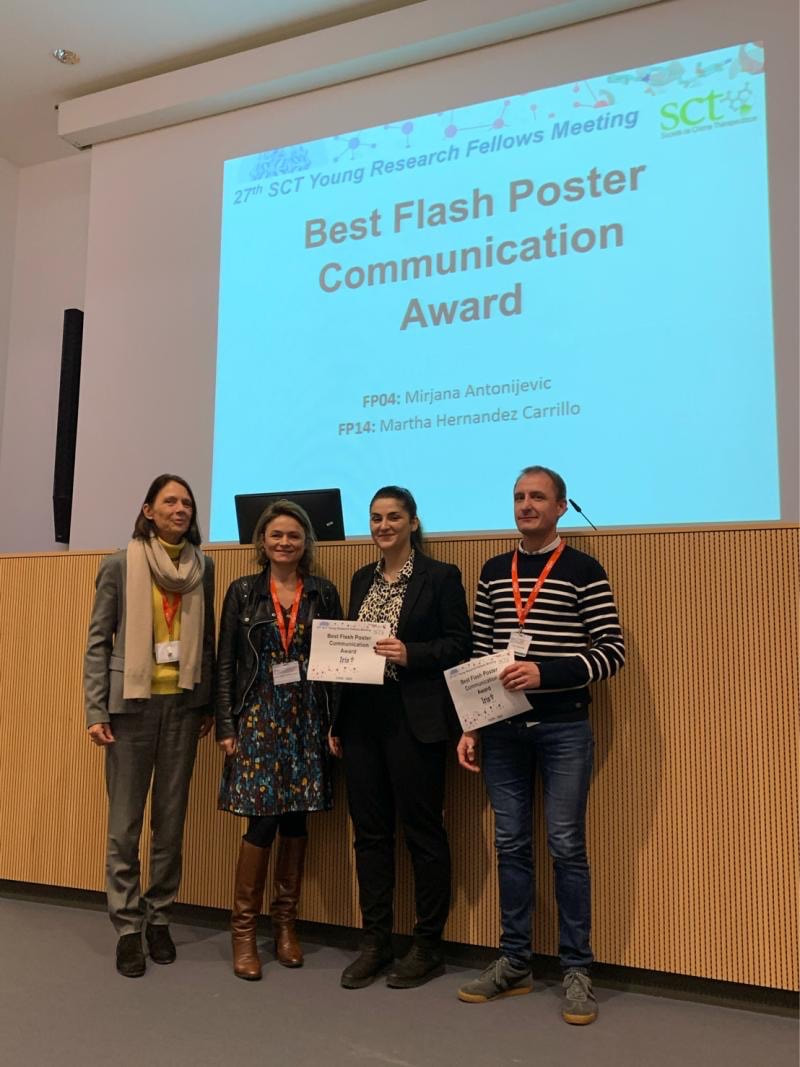
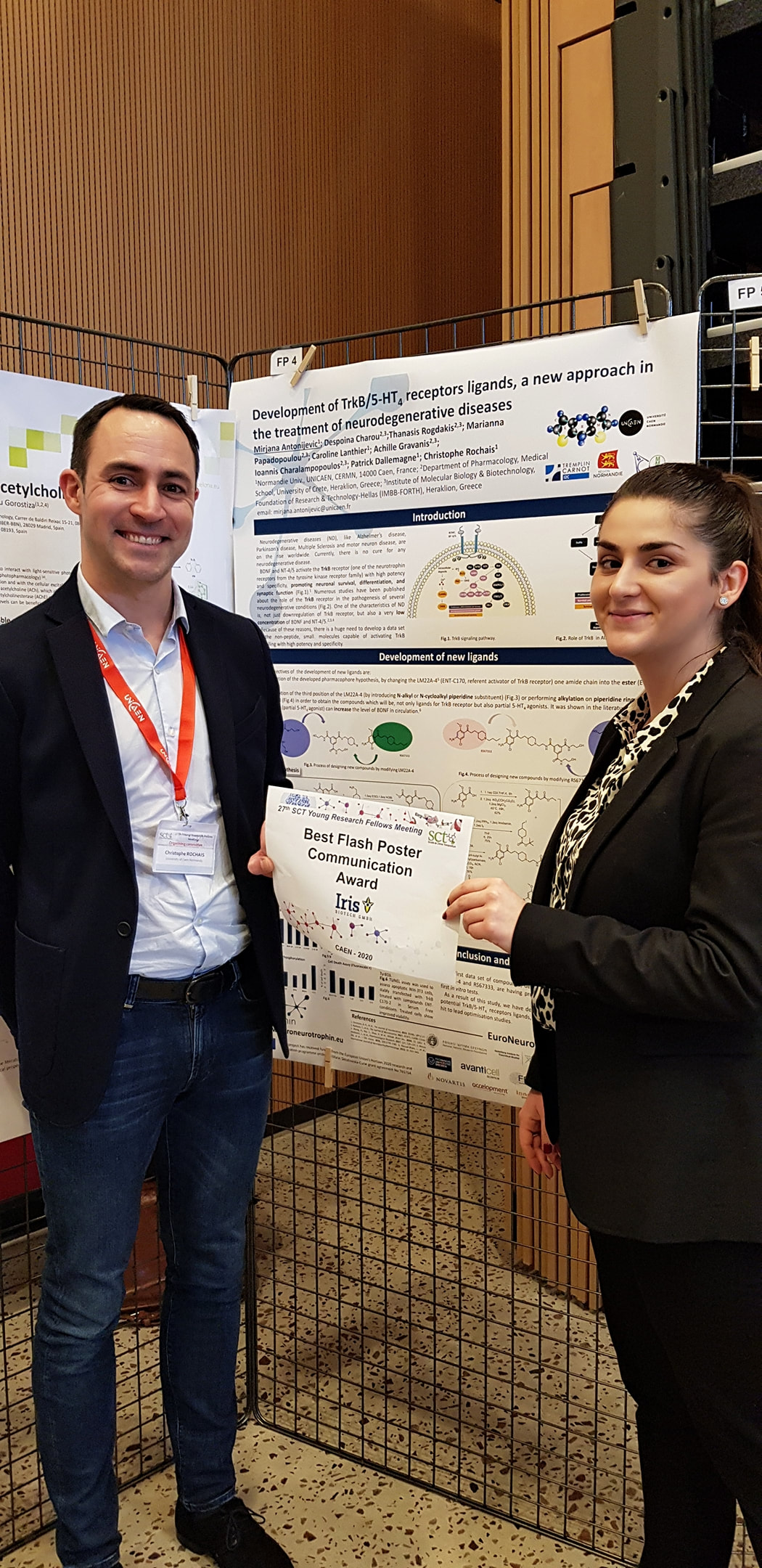
The EuroNeurotrophin Early Stage Researcher Mirjana Antonijević (ESR6) won the Best Flash Poster Communication Award at this occasion. The title of her presentation was "Development of TrkB/5-HT4 receptors ligands, a new approach in the treatment of neurodegenerative diseases". She presented the poster during her work at Université de Caen Normandie, which is connected to her EuroNeurotrophin project where her work is focused on in silico screening and Hit to lead development of small molecules in neurotrophin receptor ligands under the supervision of Prof. Christophe Rochais. The EuroNeurotrophin Team would like to congratulate Mirjana to her efforts and great work.
Picture
Picture
Picture
2 Comments

Workshop (CST-2) on Patenting and Commercialization in Biotech held by Ventac Partners

4/12/2019

0 Comments

 
All the ESRs had the great opportunity to attend a two-day workshop on Patenting and Commercialising Novel Biomedical Inventions held by Ventac Partners. Dr. Kostas Alevizopoulos and Dr. Neil Thomas brought the ESRs to the patent world, dealing with drawing up of a business plan, request for a patent and negotiation with investors for funding.
The topics of the course included all the steps required for the building of a start-up, starting from the development of a brilliant idea, exploration of the market, building of a financial model and a business plan. The ESRs enriched their knowledge on what a patent is, why it is important, what a patentable invention is, how patents are obtained and how long they last. Furthermore, they learnt what the Intellectual Properties Rights (IPRs) are, how to develop an IP strategy to accelerate the process and to safeguard IP assets, correct transfer of patent rights, mastering freedom to operate in the Biotech/MedTech industry, patent infringement, litigation and enforcement. In addition, they faced licensing models, term sheets, negotiation strategies and what an Elevator Pitch is.

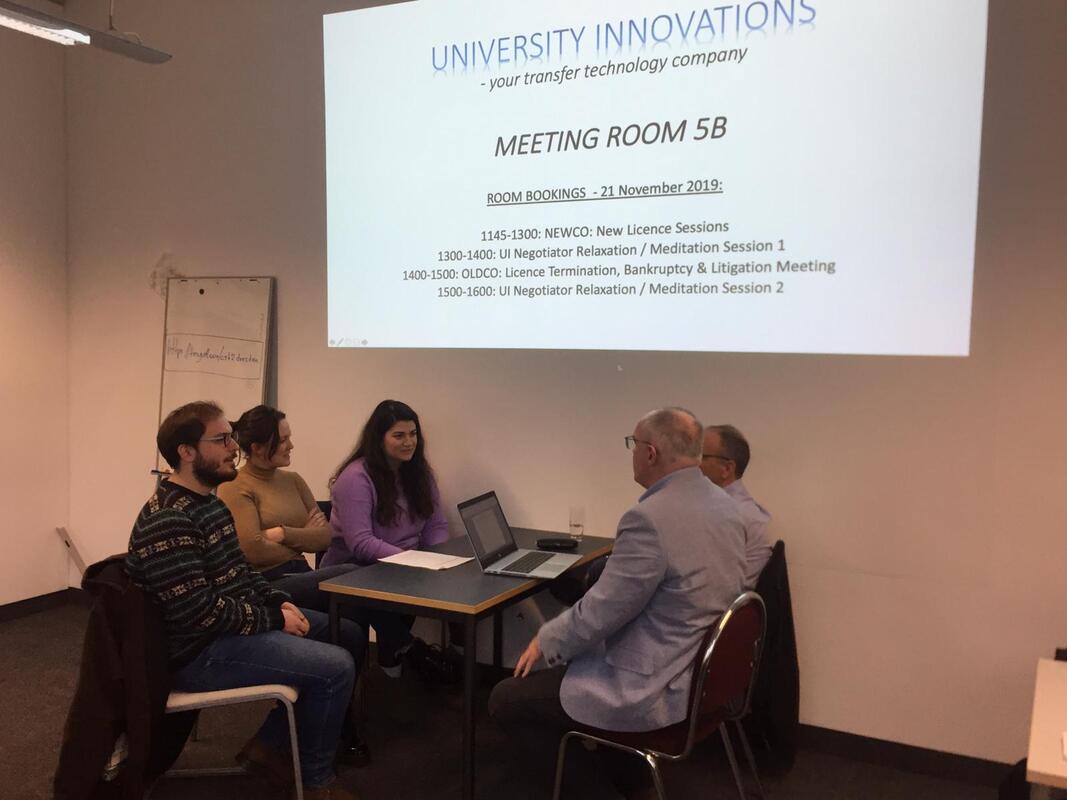
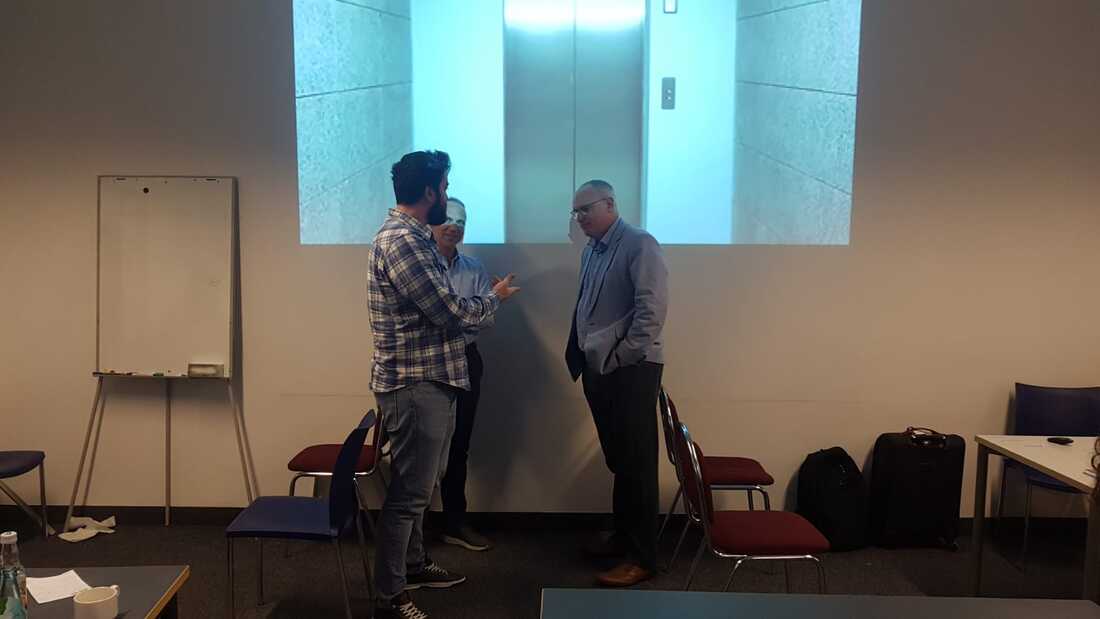
This course was very informative for our ESRs; indeed, during the course, ESRs had the opportunity to work in groups on the development of a business plan regarding a new technology and including patenting options, freedom to operate position, bullet-point business plan, competitors, risks and hopes for the future. Additionally, ESRs dealt with the negotiation with a potential university for IP rights, performing in the end an elevator pitch in order to convince the investors to fund their project. During the work in groups, the students were tested for their creativity and determination to face all the problems that a patent can reserve.
Picture
Picture
0 Comments

EuroNeurotrophin School 2: In vivo models for neurodegenerative disorders: strengths and limitations

3/12/2019

1 Comment

 
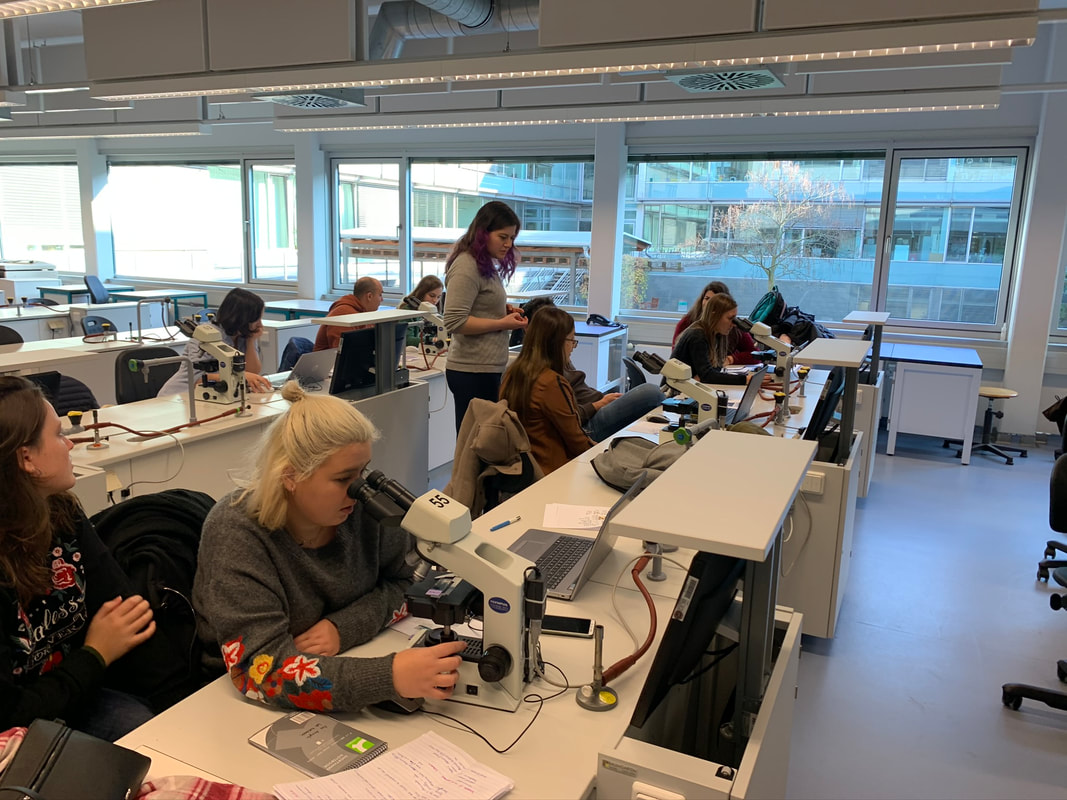
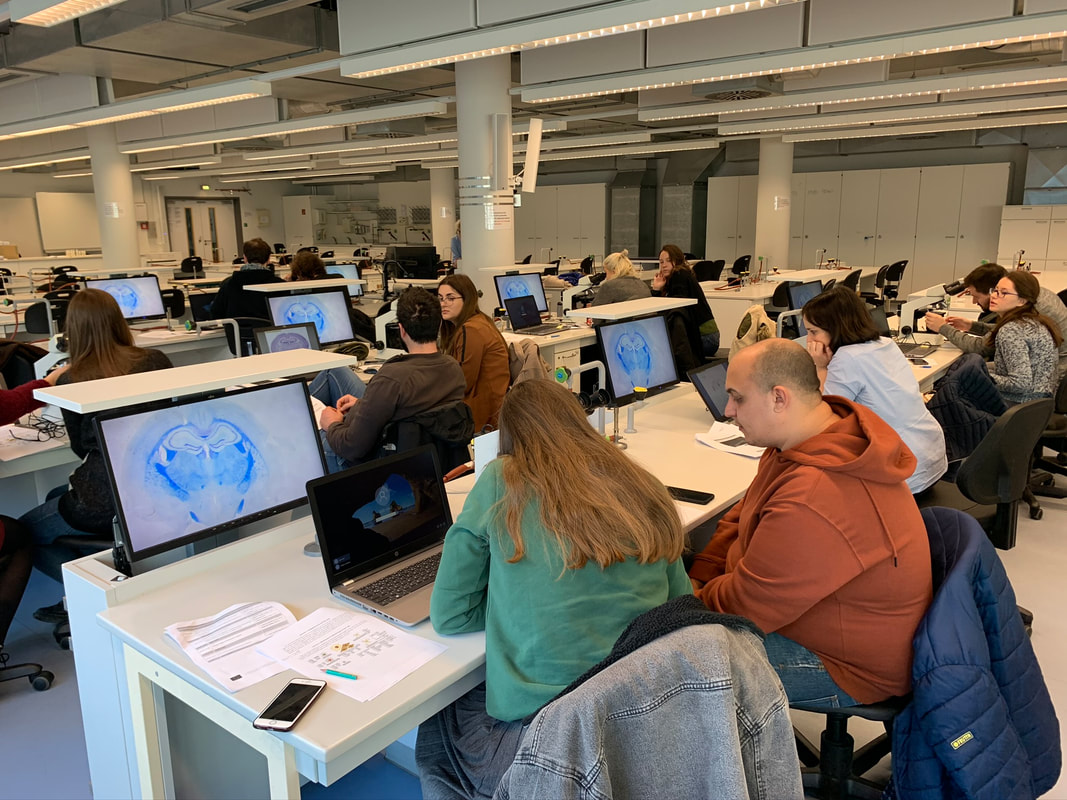
The second training week of EuroNeurotrophin was held in the TU Dresden Faculty of Medicine, starting with School 2. The 4-day long school included theoretical lectures on in vivo models of neurodegenerative disorders, as well as hands-on experience in identification and analysis of these models. The school was organized by the contribution of the following network’s beneficiaries: TU Dresden Faculty of Medicine, Department of Clinical Pathobiochemistry (TUD), Foundation for Research and Technology Hellas, Institute of Molecular Biology and Biotechnology (IMBB-FoRTH), University of Sheffield, Sheffield Institute for Translational Neuroscience (SITraN) and Vrije Universiteit Amsterdam (VUA).
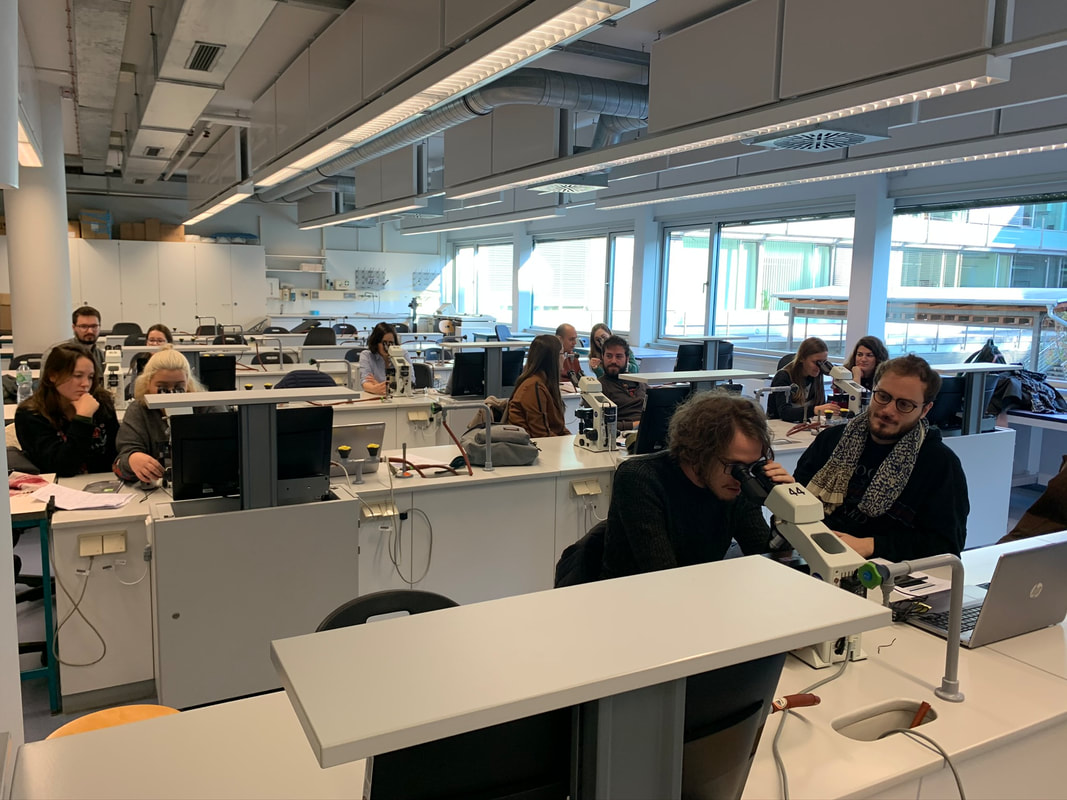
The first part of the School was taught by TUD, Dr. Vasileia Ismini Alexaki who gave a brief overview on the biology of the laboratory animals, animal welfare, regulations of animal experimentation and ethics of animal experimentation. Dr Alexaki then continued with the pathobiology of Multiple Sclerosis (MS) and mouse models of MS. The school continued by Canelif Yılmaz (ESR8) introducing assays and techniques used in animal experimentation, and she conducted hands on sessions on identification of various cell types of the CNS, identification of brain regions with the help of a brain atlas, and quantification of microgliosis and demyelination in Cuprizone mouse model of MS.

In the second part of the School, Prof. Ioannis Charalampopoulos and Dr. Kanelina Karali from IMBB-FoRTH gave lectures on Alzheimer’s disease (AD) pathology, AD pharmacology, animal models of AD, and ex vivo models of AD. Furthermore, Dr. Kanelina Karali conducted a practical session on behavioral tests used in AD mouse models, and quantification of Aß plaques. Finally, Prof. Ka-Wan Li from VUA gave a lecture on AD proteomics.

In the third and final part of the School, Dr. Richard J. Mead and Dr. Ramesh Tennore from SITraN gave lectures on Motor Neuron Disease (MND), while Dr. Richard Mead focused on mouse models of MND, readouts from these models, and design of in vivo studies. Dr. Ramesh Tennore focused on zebrafish biology, zebrafish models of MND, and high throughput screening conducted in zebrafish. 

The school provided the ESRs with in depth knowledge on pathology of the three major neurodegenerative diseases, MS, AD and MND, as well as currently available treatment options. Furthermore, commonly used animal models for the three diseases were introduced, models’ strengths and shortcomings were explained, and through the practical sessions, ESRs gained experience and insight on how they can utilize these models in their current and future research.
Picture
Picture
Picture
1 Comment

Alessia Latorrata (ESR2) awarded a poster prize for her poster at the EFMC-ASMC'19

26/11/2019

0 Comments

 
Picture
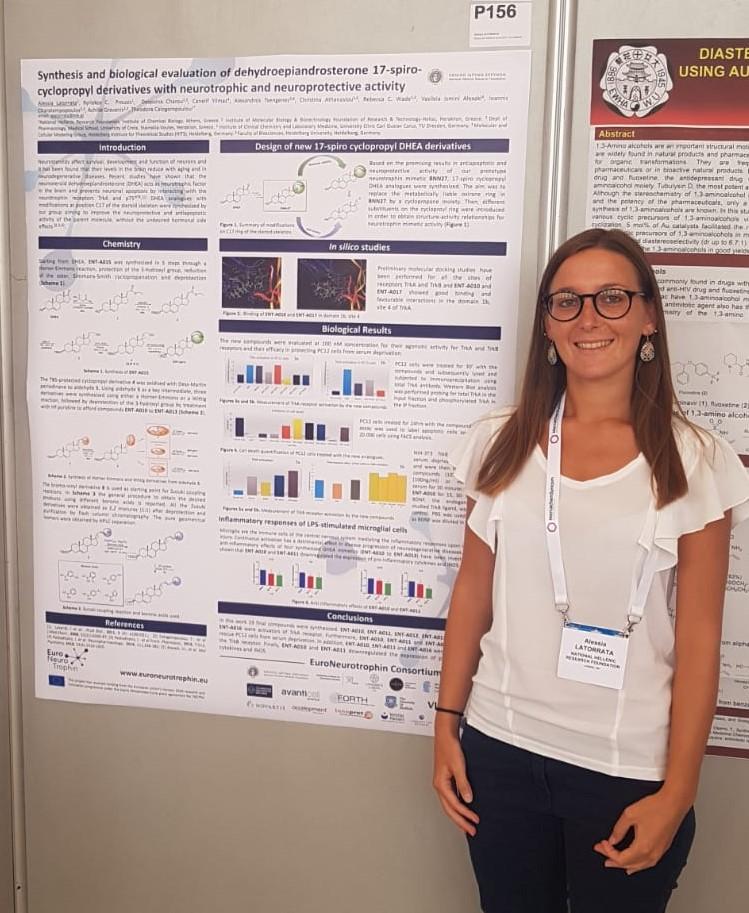
EuroNeurotrophin’s Early Stage Researcher, Alessia Latorrata (ESR2), was awarded a poster prize by the Hellenic Society of Medicinal Chemistry for her poster entitled “Synthesis and biological evaluation of dehydroepiandrosterone 17-spiro-cyclopropyl derivatives with neurotrophin and neuroprotective activity” which she presented at the VIII EFMC International Symposium on Advances in Synthetic and Medicinal Chemistry held in Athens, Greece  between 1. – 5. September, 2019.

Alessia is currently hosted at the National Hellenic Research Foundation in Greece and her individual research project within EuroNeurotophin focuses on the synthesis, purification and characterization of chiral 17-spiro DHEA derivatives bearing three-membered rings, which will be further elaborated to introduce pharmacophore groups, using asymmetric organocatalysis, biomimetic approaches and other synthetic methodologies.
0 Comments

Mirjana Antonijevic (ESR6) wins best poster at GP2A Medicinal Chemistry Conference

25/9/2019

0 Comments

 
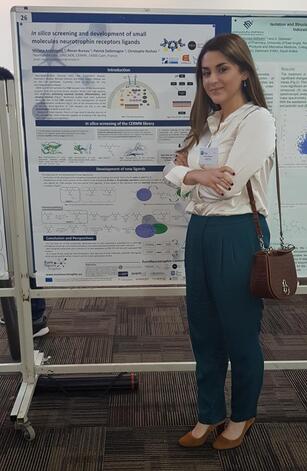
Mirjana Antonijevic (ESR 6) and Prof. Christophe Rochais represented the EuroNeurotrophin project at the 27th Annual GP2A Medicinal Chemistry Conference, which took place at the University of Nottingham (UK) between 21st-23rd August 2019. During these three days, Mirjana presented the work she has done during her first PhD year at CERMN institute at the University of Caen Normandie. The poster presentation “In silico screening and development of small molecules neurotrophin receptors ligands” received the best poster award.
Picture
In EuroNeuroTrophin, Mirjana is working on in silico screening of UNICAEN chemical library in order to identify hit molecules as ligands for neurotrophin receptors. In silico data will be evaluated along with a high-throughput screening of the before mentioned chemical library. Selected hit molecules will be subjected to the study of hit to lead optimization, with an aim to better understand the molecular patterns involved in target-ligand interactions. Additionally, these studies will be expanded by the physicochemical optimization of the selected hit compounds. The final lead compounds will be fluorescently labeled for in vivo bioimaging studies.

We would like to congratulate Mirjana on her award and look forward to hearing more about her research.
0 Comments

Vacancy announcement for ESR10 position

15/7/2019

0 Comments

 
Interested candidates must satisfy the H2020 MSCA mobility and eligibility criteria. Please read carefully the eligibility criteria before submit your application.

You may apply for the ESR10 position by filling the application form and submit this along with the curriculum vitae and any other application material at the appropriate email.
It is compulsory that your curriculum vitae is submitted in the common European format. Please download the template here. Please note that your application will not be processed if this template is not used.

Position Description
ESR10: Development of Human Cell-Based Models for Neurotrophic Therapeutic Testing
  • Host Institution: AvantiCell Science Ltd (ACS), Scotland, UK
  • Contract Duration: 12 Months renewable up to 26 months
  • Start Date: 1st September 2019
  • Planned secondments: VUA, The Netherlands (2 months), FORTH, Greece (2 months)

The application deadline for the ESR10 position is the August 9th, 2019.
0 Comments
<<Previous
Forward>>

    Archives

    August 2022
    March 2022
    January 2022
    December 2021
    July 2021
    June 2021
    May 2021
    April 2021
    March 2021
    February 2021
    January 2021
    December 2020
    April 2020
    February 2020
    December 2019
    November 2019
    September 2019
    July 2019
    December 2018
    February 2018
    January 2018
    December 2017
    May 2017

    Categories

    All
    Events
    Research
    Training

    RSS Feed

Picture

This project has received funding from the European Union’s Horizon 2020 research and innovation programme under the Marie Skłodowska-Curie grant agreement No 765704
Disclaimer | Member Area
© accelopment Schweiz 2019. ALL RIGHTS RESERVED.
  • Project
    • Overview
    • Research >
      • Work Packages
      • Individual Research Projects
    • Governance
  • Network
    • Beneficiaries
    • Partner Organisations
  • People
    • Supervisors >
      • Theodora Calogeropoulou
      • Rebecca Wade
      • Stefano Mangani
      • Christophe Rochais
      • Vasileios Roussis
      • Vasileia Ismini Alexaki
      • Achilleas Gravanis
      • Ka Wan Li
      • Dame Pamela Shaw
    • Early Stage Researchers >
      • ESR1: Daniele Narducci
      • ESR2: Alessia Latorrata
      • ESR3: Athanasios-Alexandros Tsengenes
      • ESR4: Christina Athanasiou
      • ESR5: Federica Carucci
      • ESR6: Mirjana Antonijević
      • ESR7: Paolo Giaccio
      • ESR8: Canelif Yilmaz
      • ESR9: Ana Aragón
      • ESR10: Débora Pita
      • ESR11: Thanasis Rogdakis
      • ESR12: Desponia Charou
      • ESR13: Evangelia Thanou
      • ESR14: Marco Destro
    • Scientific Advisory Board
  • Training
    • Approach
    • Objectives >
      • Secondments
    • Events >
      • 1st Network Week
      • 2nd Network Week
      • 3rd Network Week
  • Publications
  • Outreach
    • Events
    • Public Engagement
    • Results
    • Conference
    • Newsletter >
      • January 2021
      • April 2021
      • December 2021
  • News
  • Job Openings
    • Vacancies
    • Submit your application
  • Contact